

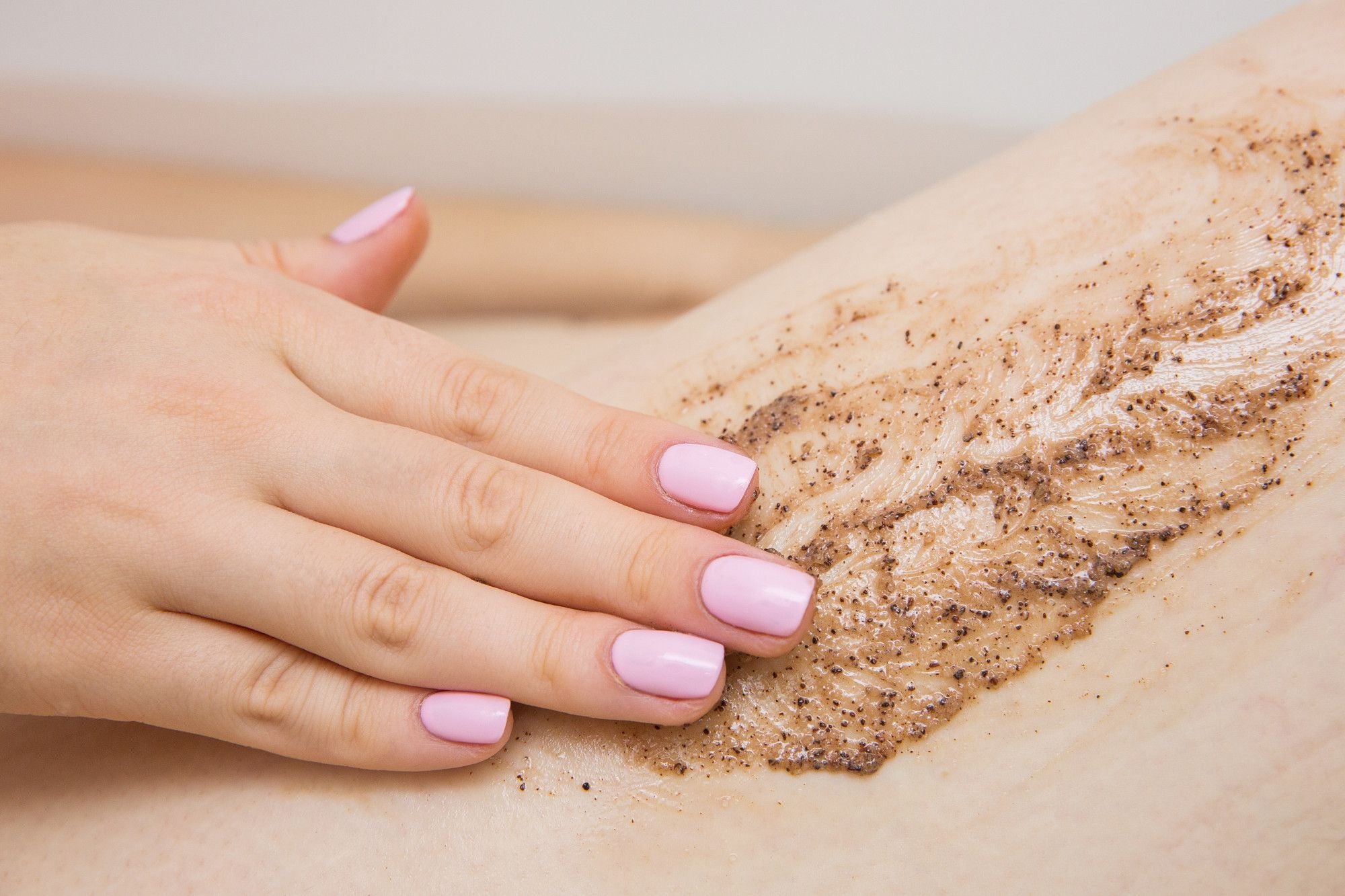
Exfoliation removes the layer of dead skin cells your body is continuously shedding but not always clearing fast enough on its own. When that layer builds up, skin looks dull, pores get congested, and moisturizers and treatments sit on the surface instead of absorbing properly. Regular exfoliation is one of the most straightforward interventions for skin texture and tone, provided you're doing it correctly, and a dual-sided tool like the Scrub-Dub scrubber is built to make it consistent.

How Skin Shedding Works
Your skin renews itself continuously. New cells form in the deepest layer of the epidermis, move outward over roughly 4 to 6 weeks, though this slows with age, and eventually shed from the surface. The problem is that shedding isn't always uniform or complete. Dry environments, age, and certain skin conditions all slow the process. When dead cells accumulate on the surface, they create the texture and appearance issues that exfoliation addresses.
Wet exfoliation, using a textured tool in the shower with water and body wash, is the most common and accessible approach. The friction from a scrubber mechanically lifts and removes the accumulated dead cell layer, revealing the newer skin underneath. This is physically different from dry brushing, which is a distinct technique performed on dry skin before showering using a stiff natural-bristle brush. They're different tools with different mechanisms, though both address dead cell accumulation.
What You Actually Get from Regular Exfoliation
Improved skin texture. The most immediately noticeable effect. Skin feels smoother because the rough, uneven layer of accumulated dead cells is removed. This is most apparent on areas prone to dryness and buildup: elbows, knees, heels, and upper arms.
Better absorption of moisturizers and treatments. Products sit on top of dead skin rather than penetrating it. Removing that surface layer lets moisturizers, body oils, and topical treatments reach the skin that can actually use them. This is especially relevant if you use body lotions and don't see much effect, the application timing and surface condition both matter.
Reduced ingrown hairs. Dead cells accumulating around hair follicles trap hairs beneath the surface as they grow. Regular exfoliation around follicle-dense areas (legs, underarms, bikini line) reduces the dead cell accumulation that causes hairs to redirect into the skin instead of growing out normally.
Improved circulation. The mechanical friction of scrubbing increases blood flow to the skin's surface temporarily. This produces the warm, flushed feeling during exfoliation and contributes to that post-shower glow, though the circulatory effect is topical and temporary rather than systemic.
How to Exfoliate Without Overdoing It
Over-exfoliation is a real problem, particularly for people with dry or sensitive skin. Too much friction, too frequently, strips the skin's protective barrier and causes irritation, redness, and increased sensitivity. The right frequency depends on your skin type.
- Normal to oily skin: 3 to 4 times per week
- Dry or combination skin: 2 to 3 times per week
- Sensitive skin or eczema-prone: 1 to 2 times per week, with very light pressure
The Scrub-Dub® bristles are soft enough for daily use on most skin types, but daily exfoliation isn't necessary for most people. Consistent use 2 to 3 times per week produces better long-term results than aggressive daily scrubbing, which can disrupt the skin barrier.
Using a Body Scrubber Effectively
- Use warm (not hot) water. Heat softens the dead cell layer and sebum, making them easier to remove.
- Apply body wash directly to the scrubber bristles before contact with skin.
- Work in circular motions, applying moderate pressure. Let the bristles do the work rather than pressing hard.
- Pay extra attention to areas prone to buildup: upper arms, elbows, knees, heels, and the back.
- Rinse thoroughly and pat dry rather than rubbing, which can irritate freshly exfoliated skin.
- Apply moisturizer immediately after drying while skin is still slightly damp, this is when absorption is best.
Scalp Exfoliation: The Part Most People Skip
The same dead cell accumulation that happens on your body also happens on your scalp. Scalp buildup, dead skin cells, sebum, and product residue, blocks shampoo from reaching the scalp surface and can contribute to dandruff, itchiness, and dullness at the roots. The spike side of the Scrub-Dub addresses this: it works shampoo into the scalp while mechanically lifting the buildup layer, in the same session as your body wash. We cover the clinical evidence on The Science page.
Frequently Asked Questions
Is it possible to exfoliate too often?
Yes. Signs you're over-exfoliating include persistent redness, increased skin sensitivity, tightness after washing, and a shiny or waxy skin texture. If you notice these, reduce frequency and use lighter pressure. Your skin barrier needs time to recover between sessions.
Should I exfoliate before or after shaving?
Before. Exfoliating before shaving removes the dead cell layer that can trap razor blades and cause hairs to deflect, which is a major contributor to razor bumps. Exfoliating on freshly shaved skin, by contrast, can irritate already-sensitive post-shave skin.
Does exfoliating help with body acne?
It can. Dead cell accumulation is one factor in the clogged follicles that lead to body acne. Regular exfoliation in acne-prone areas (back, chest, shoulders) helps prevent that accumulation. See our body acne guide for the full routine. Don't exfoliate active breakouts, the friction can irritate the skin and worsen inflammation. Use light pressure and consider whether a separate topical treatment addresses the underlying cause.
What's the difference between physical and chemical exfoliation?
Physical exfoliation (like using a body scrubber) removes dead cells through direct mechanical friction. Chemical exfoliation uses acids (AHAs like lactic or glycolic acid, or BHAs like salicylic acid) to dissolve the bonds between dead cells so they shed more easily. Both approaches work. Physical exfoliation is immediate and tactile; chemical exfoliation has longer-lasting effects and works better for certain skin concerns like hyperpigmentation. Many people use both: physical tools in the shower and chemical treatments on specific problem areas.
Choose Your Set.

Single
The full Scrub-Dub experience. Spike side for your scalp, bristle side for your body.
$25
Duo Pack
One for you, one for your partner or guest bathroom. Two scrubbers so your whole household makes the switch.
$40 $20 each, save $10
Trio Pack
Keep two at home, gift one, or stock the whole house and never run out. The best value per scrubber.
$57 $19 each, save $18